
Sustainability
Single-use: How we live up to our generational responsibility at the Grünes Hotel zur Post
Why 100% organic, bees in the garden, and climate-friendly mobility in Salzburg are more than just a "green extra" – and how to make your stay family-friendly.
Reading time:
9 minutes
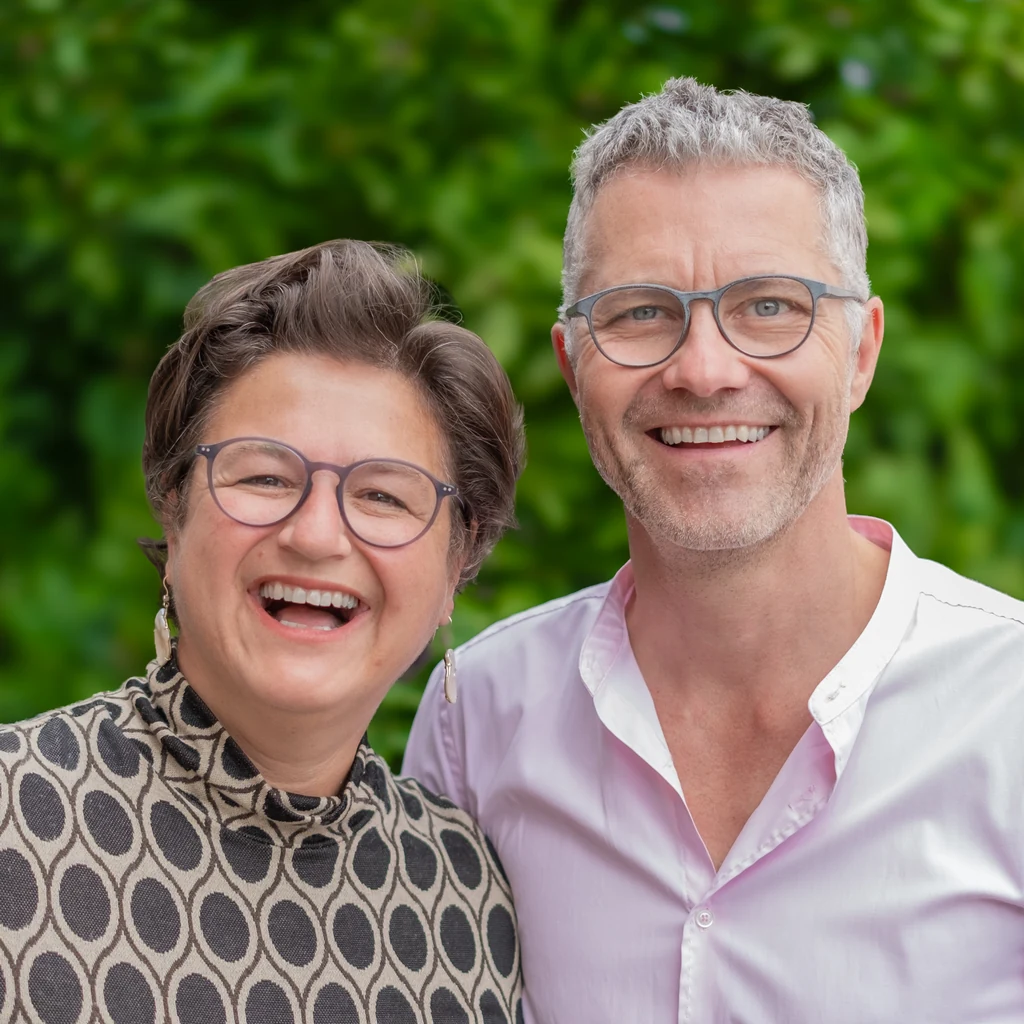
Georg & Silvia Maier
Hotelier
Sustainability
12.14.2025
"Sustainable for future generations" sounds like a big word – and yet it is very practical: It is about acting today in a way that our living conditions are still there tomorrow. Clean air, fertile soils, clean water, biodiversity. And it is about telling responsibility not as renunciation, but as something that feels good: consistent, fair, feasible. That is exactly why the term fits so well with a vacation that should not only be beautiful but also coherent. At the Green Hotel zur Post, we understand sustainable for future generations not as a trend, but as a daily decision – in purchasing, in energy, in mobility, and in what we give back to the region as a business.
What does "sustainable for future generations" mean – and why does it concern us all?
The movement "Sustainable Austria" describes sustainability for future generations as the preservation and shaping of our living space, so that health, diversity, and abundance of nature are preserved or regenerated for future generations – and deliberately emphasizes the joy of generational responsibility. etoe.at We like this approach because it does not stop at guilt. Sustainability means: understanding connections – and then adjusting the levers that lie in one’s own reality.
For us as a bio hotel and sustainable hotel in Salzburg, there are primarily four areas where we have a real influence: food (organic & regional), protection of pollinators (bees), resource use (energy, waste, water), and climate-friendly travel (arrival & mobility on site). You can tell it works not by grand slogans – but by how naturally your stay feels.
Why pesticides are a central "sustainable for future generations" topic
Pesticides are a topic that many only notice when it becomes personal: when bees disappear, when soils lose their liveliness, or when studies show that active ingredients do not stay where they are applied. This was made particularly clear by a study in 2022: In Eastern Austria, 67 pesticides were found in the air; according to researchers, about half of the detected substances were harmful to human health (including possible irritations and hormonal effects), and almost a quarter had cancer-causing potential. science.ORF.at
This is not an invitation to panic – but a clear indication: "Out of sight, out of mind" does not work. When pesticides drift, it also affects protective areas: The ORF summary mentions that several pesticides were detectable even in national parks. Acting sustainably for future generations means here: strengthening alternatives that require less chemistry – and organic farming is one of the most important levers for that.
Organic farming in Salzburg: strong foundation, great opportunity
Salzburg has a special starting position in Austria: The state of Salzburg states that about 50% of the farms and more than half of the agricultural land area are managed organically. salzburg.gv.at The SalzburgerLand also describes Salzburg as an organic pioneer and sees organic farming as an investment in the future – associated with enjoyment, tourism, and regional cooperation between agriculture and hosts. SalzburgerLand.com
For us, this is a tailwind. The more firmly organic is anchored in the region, the easier it is for a hotel business to really buy consistently – while keeping supply chains short, transparent, and fair.
What we do as a bio hotel: 100% organic – verified and documented
At the Green Hotel zur Post, organic is not an "amount" but standard: Since 2018 we have been working with a full range of organic products – the food we use has been certified organic since then and is regularly checked by Austria Bio Garantie; additionally, organic certificates from suppliers are checked annually and archived.
This is important to us because it is the opposite of vague promises. Organic means for us: processes, evidence, repeatability. And it also means: purchasing according to clear criteria – not only organic but (where possible) regionality and human dignity in the value chain.
Bees, honey, biodiversity: why a hotel garden can do more than just "look nice"
When we talk about pesticides, pollinators quickly come into focus. Bees are sensitive indicators: Where diversity is lacking or chemistry acts, it becomes silent. That is why our garden is not only a retreat for guests but also a habitat. The common good economy brochure states that we offer honey from our own bees from our garden. And the hotel description emphasizes our own organic beekeeping for honey as part of our breakfast experience.
At the same time, it is important to us to keep our statement clear: A few bee colonies do not save "biodiversity". But they make visible something that often remains abstract: Pollination is the basis for nutrition – and protection starts small, where we have responsibility.
As background, it also helps to look at the risk discussion around certain groups of active ingredients: The EFSA has confirmed risks for honey and wild bees for several neonicotinoid applications. European Food Safety Authority This underlines why the direction counts: less chemical pressure, more ecological cycles.
Common good instead of greenwashing: why we have our impact measured
Sustainability for future generations is also a question of transparency: How serious is a business – and how can you recognize it? We have decided to make our work visible within the framework of the common good economy. The report on the common good balance sheet (Compact balance sheet 2019-2020) shows a balance sum of 470; the certificate was valid until 15.11.2023.
Why do we mention this: Because common good economy is not "only" ecology. It is also about human dignity, solidarity, transparency, and co-determination – that is, about what truly makes an economy sustainable for future generations. And exactly this logic fits a family business that thinks long-term: not to shine in the short term, but to act meaningfully in the long term.
Climate-friendly travel: E-mobility and gentle ways in the city
Sustainably for future generations is not only what is on the buffet – but also how you arrive and move around. If you want to travel climate-friendly, you need options that are practical for daily life. The common good economy brochure mentions a "green discount" for arrival by public transport, electric car, or bicycle – plus rental of bicycles/e-bikes and charging options for e-cars and e-bikes. This is an important part of E-mobility holiday for us: not just providing infrastructure but actively facilitating the decision.
And Salzburg is an ideal place for that: compact, easy to reach with public transport and bike paths – so that "holiday without a car" does not become complicated but often more relaxed. Those who stay with us can arrive green, move around green – and ultimately take away more from the city than just routes.
How to make your stay sustainable for future generations – without perfection pressure
Sustainably for future generations does not mean doing everything right. It means using the biggest levers with reasonable ease. Three ideas that work really well in Salzburg:
Choose organic when it's easy
On vacation, organic is often easier than at home – because it's prepared. A breakfast that is consistently certified organic makes the decision automatic every morning.Think of mobility as an experience
A day with public transport and (e-)bike shows you Salzburg differently: quieter, closer, more spontaneous. And yes – it's a small contribution, but one that feels immediately good.Ask regionally instead of just consuming
If you want to know where something comes from: ask us. Regionality thrives on relationships – and that is exactly the difference between "organic as a label" and "organic as a culture".
Conclusion: Sustainability for future generations is not an ambition – but a direction
The term "sustainable for future generations" reminds us that the future does not begin someday, but in daily decisions: regarding food, energy, mobility – and in the question of whether economic activity serves life. Studies like the one on pesticides in the air show why the topic is real. science.ORF.at At the same time, Salzburg shows how much is already possible: organic is not a niche here, but a strong foundation. salzburg.gv.at+1
If you want to design your green vacation in Austria so that enjoyment and responsibility fit together, we invite you: Come, breathe easy, enjoy organic breakfast – and discover Salzburg with a feeling that lasts.